5 Easy Steps to Start Segregating Waste at Home
By Little Leaf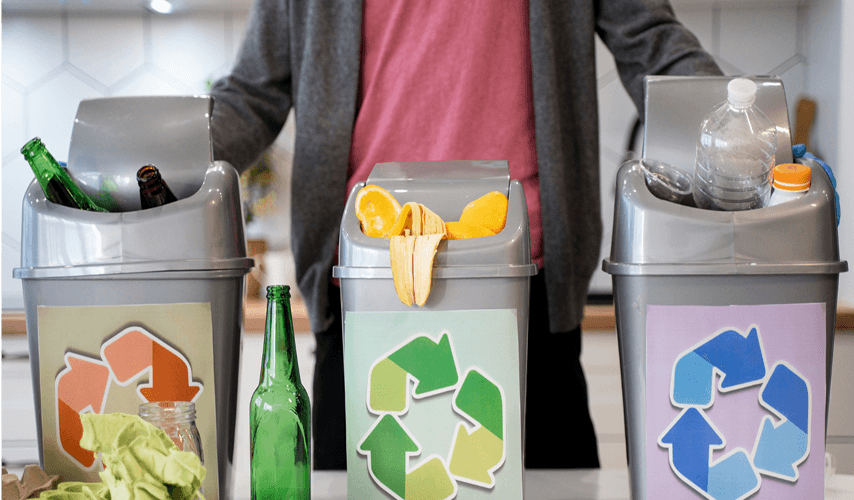
Segregating waste at home is one of the simplest habits that can create a big impact on our environment. When we sort our waste correctly, more materials can be recycled, less trash ends up in landfills, and our surroundings stay cleaner. Many families want to adopt better waste practices but do not know where to begin. Little Leaf is committed to helping people understand how to manage household waste in an easy and practical way. Here are five simple steps to start waste segregation at home and make sustainable living a daily habit.
1. Keep Two Basic Bins: Dry Waste & Wet Waste
The first step in waste segregation at home starts with keeping two separate bins—one for dry waste and one for wet waste.
- Wet waste includes kitchen peelings, leftover food, tea leaves, flowers, and biodegradable waste.
- Dry waste includes paper, cardboard, plastic, glass, metal, and packaging materials.
Using two clearly labelled bins makes daily waste disposal easier for every family member. This simple system ensures that most recyclable waste stays clean and dry, which increases its chances of entering the recycling channel.
2. Separate Hazardous and Sanitary Waste
Some waste items require special handling and should never be mixed with regular garbage. Keep a small container aside for:
- Batteries
- Old medicines
- Tubelights
- Razor blades
- Sanitary waste
- Chemical bottles or cleaners
Storing these items separately prevents soil and water pollution. When disposed of properly, hazardous waste is handled safely and responsibly by waste collection agencies.
3. Clean and Dry Recyclables Before Storing
Many people try to recycle but make the mistake of throwing dirty or wet items into the dry waste bin. Recyclables must be clean, dry, and free from food residue. For example:
- Wash plastic bottles before discarding
- Flatten cardboard boxes
- Rinse glass jars
- Separate plastic lids from containers
Clean recyclables increase the efficiency of waste management and make the recycling process smoother. Little Leaf encourages households to take this small extra step to support the recycling ecosystem.
4. Reuse What You Can to Reduce Waste at Source
Waste segregation becomes easier when we start reducing waste in the first place. Look for small opportunities to reuse items instead of throwing them away.
- Use glass jars for storage
- Repurpose old clothes as cleaning cloths
- Turn newspaper into packing material
- Carry cloth bags while shopping
Reusing reduces the quantity of waste generated every day and keeps usable material away from landfills.
5. Partner With a Reliable Waste Collection Service
Once your waste is segregated properly, the final step is ensuring that it goes into the correct recycling channel. Little Leaf helps in collecting and managing waste from homes, schools, offices, and societies. By partnering with a trusted service, you ensure that your segregated waste does not get mixed during disposal. This step closes the loop and supports a cleaner and more sustainable community.
Final Thoughts
Starting waste segregation at home does not require big changes—only small, consistent habits. With two basic bins, responsible disposal of hazardous items, clean recyclables, reuse practices, and proper waste collection support, every household can contribute to a greener future. Little Leaf is dedicated to spreading awareness about waste segregation and helping families make environmentally responsible choices every day.
Reach Out Today
Show your commitment to natural and social environment
Contact Information
Reach out directly, or schedule a free waste pickup — we usually respond within a day.
Address
3, Marvel Elan, Riverside Estate Boat club road, Pune - 1
Phone
+91 9935500377
info@littleleaf.one
Office Hours
Mon – Fri: 10:00 AM – 5:00 PM Sat: 10:00 AM – 2:00 PM Sun: Closed
Follow Us


Send Us a Message
Fill in your details and we will get back to you shortly.