Transforming Trash into Opportunity: How Waste Supports Education
By Little Leaf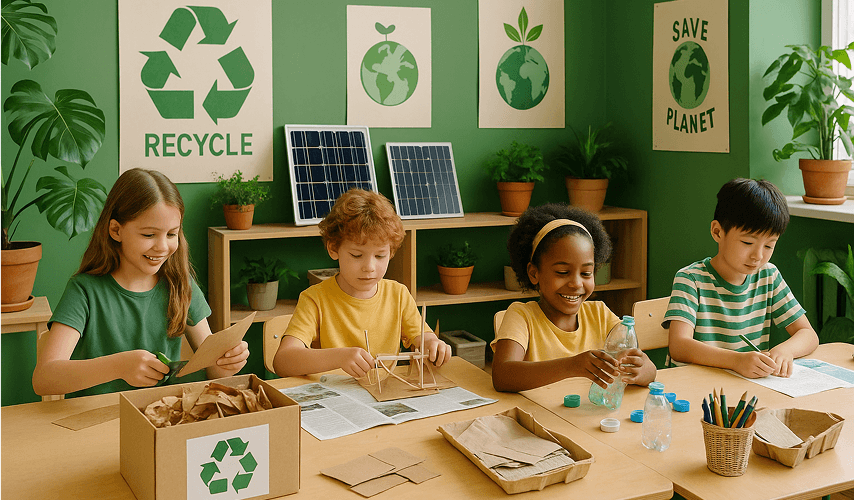
When we think about waste, we often imagine landfills, pollution, and environmental damage. But what if the same waste could become a powerful tool for social good? Through proper waste segregation and recycling, communities can generate resources that help fund education for underprivileged children. This idea—transforming trash into opportunity—is not only practical but creates a positive cycle of sustainability, awareness, and empowerment.
Today, many organisations are proving that recyclable waste can support education, improve communities, and promote responsible waste management.
How Waste Segregation Creates Value
Most households throw away recyclable waste like paper, plastic, metals, and glass without realising its value. When segregated properly, this dry waste enters a recycling channel where it can be sold to recycling units.
This generates funds that can directly support education-related activities such as:
- Purchasing books and stationery
- Supporting tuition classes
- Providing school supplies
- Helping with digital learning tools
- Funding classroom needs
By simply separating waste at the source, families help reduce landfill burden and create a stable support system for children’s education. Proper waste segregation at home is the first step in turning waste into something meaningful.
Recycling Programs That Support Underprivileged Students
Many community initiatives and organisations now run waste-to-education programs, where households donate their clean, dry segregated waste to support social causes. When recyclable items such as newspapers, cardboard, plastic bottles, e-waste, metals, and glass are collected in bulk, the revenue from recycling can significantly contribute to educational support.
For example:
- Waste can be recycled into notebooks.
- Plastic waste can be processed into durable school supplies.
- E-waste can help fund digital learning programs.
- Metal and glass waste generate additional funds when sold to recycling units.
Through these initiatives, what was once considered “trash” becomes a financial and educational resource. This model allows communities to play an active role in supporting school children while promoting environmental responsibility.
Waste Management Creates Awareness Among Children
Children learn best through real-life examples. When they see waste being segregated and reused to support their education and that of others, it teaches them:
- The importance of recycling
- The value of resources
- Environmental responsibility
- Community participation
- Sustainable living habits
This mindset helps build a generation that cares for the environment and values education—two strong pillars for a better future.
Schools that adopt waste collection and segregation programs also create hands-on learning experiences. Students understand how waste recycling works, why reducing waste matters, and how small actions can make a big impact.
How Communities Can Contribute
The best part about this model is that everyone can participate. Here’s how households and communities can help:
- Segregate waste at home into wet waste, dry waste, sanitary waste, and e-waste.
- Keep recyclables clean and dry so they have higher recycling value.
- Use separate bins for paper, plastic, metal, and e-waste.
- Donate segregated waste to verified organisations or community drives.
- Encourage children to follow daily waste segregation habits.
Even a small contribution—such as a week’s collection of newspapers—can support a child’s learning. When thousands of homes participate, the impact becomes transformative.
Final Thoughts
Waste is not just something to throw away—it is a powerful resource when managed responsibly. By segregating and recycling waste, communities can create funds that support education and uplift children from underprivileged backgrounds. This unique connection between waste management and education shows that sustainability can go hand in hand with social development. Transforming trash into opportunity is more than an idea — it is a movement. And it begins at home, with simple everyday habits. When we recycle our waste, we don’t just clean the environment… we also help build brighter futures.
Reach Out Today
Show your commitment to natural and social environment
Contact Information
Reach out directly, or schedule a free waste pickup — we usually respond within a day.
Address
3, Marvel Elan, Riverside Estate Boat club road, Pune - 1
Phone
+91 9935500377
info@littleleaf.one
Office Hours
Mon – Fri: 10:00 AM – 5:00 PM Sat: 10:00 AM – 2:00 PM Sun: Closed
Follow Us


Send Us a Message
Fill in your details and we will get back to you shortly.