Understanding Fabric Waste
By Little Leaf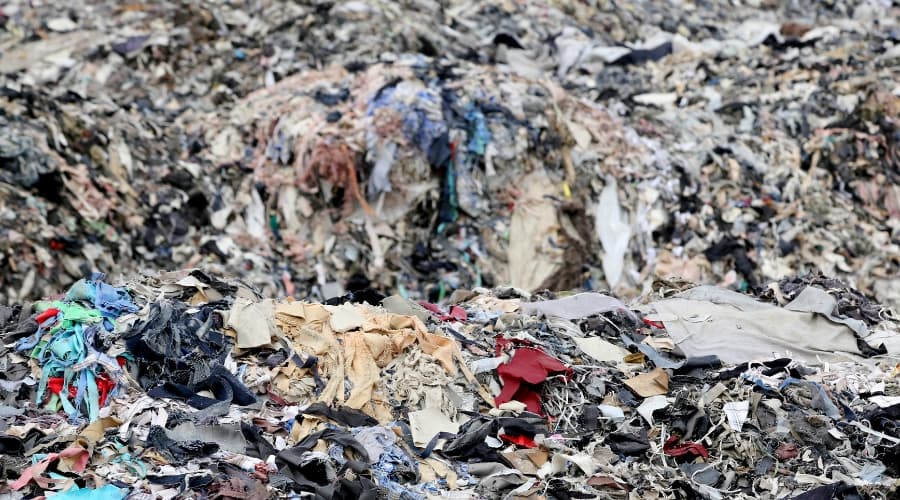
Fabric waste is rising quickly in homes, boutiques, garment units, and commercial spaces. Old clothes, damaged textiles, and unused fabric scraps often get mixed with regular waste and end up in landfills. At Little Leaf, we work to create awareness about the importance of segregating fabric waste at the source so it can be reused, recycled, or upcycled instead of being thrown away. Clean and dry fabric waste can serve many purposes, and proper segregation ensures that this useful material is not lost.
Why Fabric Waste Needs Attention
Fabric waste may seem harmless, but when it is thrown into landfills, it creates a long-lasting environmental impact. Many fabrics contain synthetic fibres—like polyester—which take years to break down. As they decompose, they release microplastics and chemicals into soil and water.
Even natural fabrics like cotton produce methane when dumped with wet waste. Mixing fabric with kitchen waste or sanitary waste makes it dirty and unusable for recycling. By segregating fabric waste at the source, households and businesses can prevent large quantities of textiles from polluting the environment.
Little Leaf aims to highlight that small habits, like setting aside old clothes or textile scraps separately, can make a big difference.
Types of Fabric Waste You Can Segregate
Fabric waste includes a wide range of materials that can be reused or recycled if kept clean and dry. This includes old clothes, bedsheets, curtains, tablecloths, fabric rolls, tailoring scraps, denim, cotton, and other textile materials.
Even torn or damaged fabrics are valuable if not mixed with other waste. Items that are wet, oily, or contaminated are harder to recycle and often end up in landfills.
Little Leaf encourages families and workplaces to keep a separate bag or box for all fabric waste. This simple step helps ensure that textiles remain in good condition and ready for the recycling or donation process.
How Segregation at Source Supports Reuse & Upcycling
When fabric waste is segregated at the source, it becomes easy to send it into proper recycling or reuse channels. Clean textiles can be donated to NGOs, turned into upcycled products, or processed into new fabrics.
Tailoring scraps can be used for patchwork, stuffing, or creative crafts. Segregation also helps reduce the burden on waste collectors and prevents textiles from filling landfills unnecessarily.
At Little Leaf, we ensure that the fabric you send is handed over to verified facilities or NGOs that give it a second life. With conscious segregation, fabric waste can be transformed into resources instead of being wasted.
Reach Out Today
Show your commitment to natural and social environment
Contact Information
Reach out directly, or schedule a free waste pickup — we usually respond within a day.
Address
3, Marvel Elan, Riverside Estate Boat club road, Pune - 1
Phone
+91 9935500377
info@littleleaf.one
Office Hours
Mon – Fri: 10:00 AM – 5:00 PM Sat: 10:00 AM – 2:00 PM Sun: Closed
Follow Us


Send Us a Message
Fill in your details and we will get back to you shortly.