Understanding Glass Waste
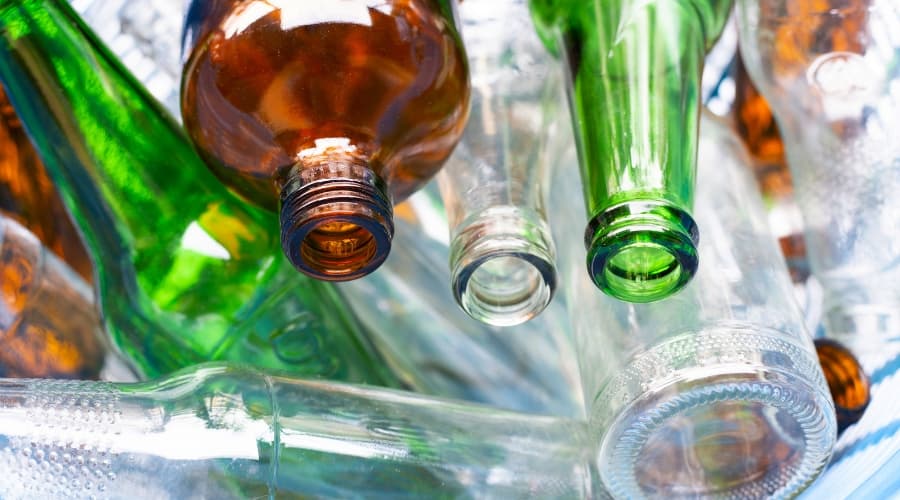
Glass waste includes bottles, jars, containers, and even broken glass pieces generated in homes and businesses. Despite being one of the most recyclable materials, a large portion of glass ends up in mixed waste due to improper segregation. At Little Leaf, we encourage individuals to keep their glass waste clean and separate so it can be recycled efficiently.
When glass is mixed with wet waste or hazardous materials, it becomes unsafe to handle and often cannot be recycled properly.
How Little Leaf Manages Glass Waste
Once collected, the glass waste is sorted by colour—usually clear, green, and brown—to prepare it for the recycling process. The glass is then cleaned thoroughly and crushed into small pieces known as cullet.
This cullet is melted at high temperatures and moulded into new products such as bottles, jars, tiles, and decorative items. Since glass does not lose its quality during recycling, it can be reused repeatedly without any reduction in strength or purity.
Through this process, glass waste becomes part of an infinite recycling loop.
Why Recycling Glass Matters
Recycling glass offers several environmental advantages. It reduces the demand for raw materials like sand and silica, saves energy, and decreases overall carbon emissions.
By segregating glass waste at the source, you help ensure that it enters a sustainable recycling cycle rather than ending up in landfills or causing harm in open environments.
Little Leaf's glass recycling process supports eco-friendly manufacturing and promotes a culture of conscious waste management. By adopting proper waste segregation habits, individuals and communities play an essential role in reducing environmental waste and preserving natural resources.
Reach Out Today
Show your commitment to natural and social environment
Contact Information
Reach out directly, or schedule a free waste pickup — we usually respond within a day.
Address
3, Marvel Elan, Riverside Estate Boat club road, Pune - 1
Phone
+91 9935500377
info@littleleaf.one
Office Hours
Mon – Fri: 10:00 AM – 5:00 PM Sat: 10:00 AM – 2:00 PM Sun: Closed
Follow Us


Send Us a Message
Fill in your details and we will get back to you shortly.